How the Emirate is shaping a new era of global patronage
Abu Dhabi’s cultural landscape has expanded dramatically in the past decade. What began as a bold vision for Saadiyat Island has evolved into a well-defined ecosystem where museums, foundations, private collectors, and global institutions converge. The Emirate is now shaping a new model of patronage that blends cultural investment, education, architecture, and long-term ambition. For collectors around the world, this shift has created a centre of gravity that is influencing how art is acquired, commissioned, and understood.
A cultural blueprint with global impact
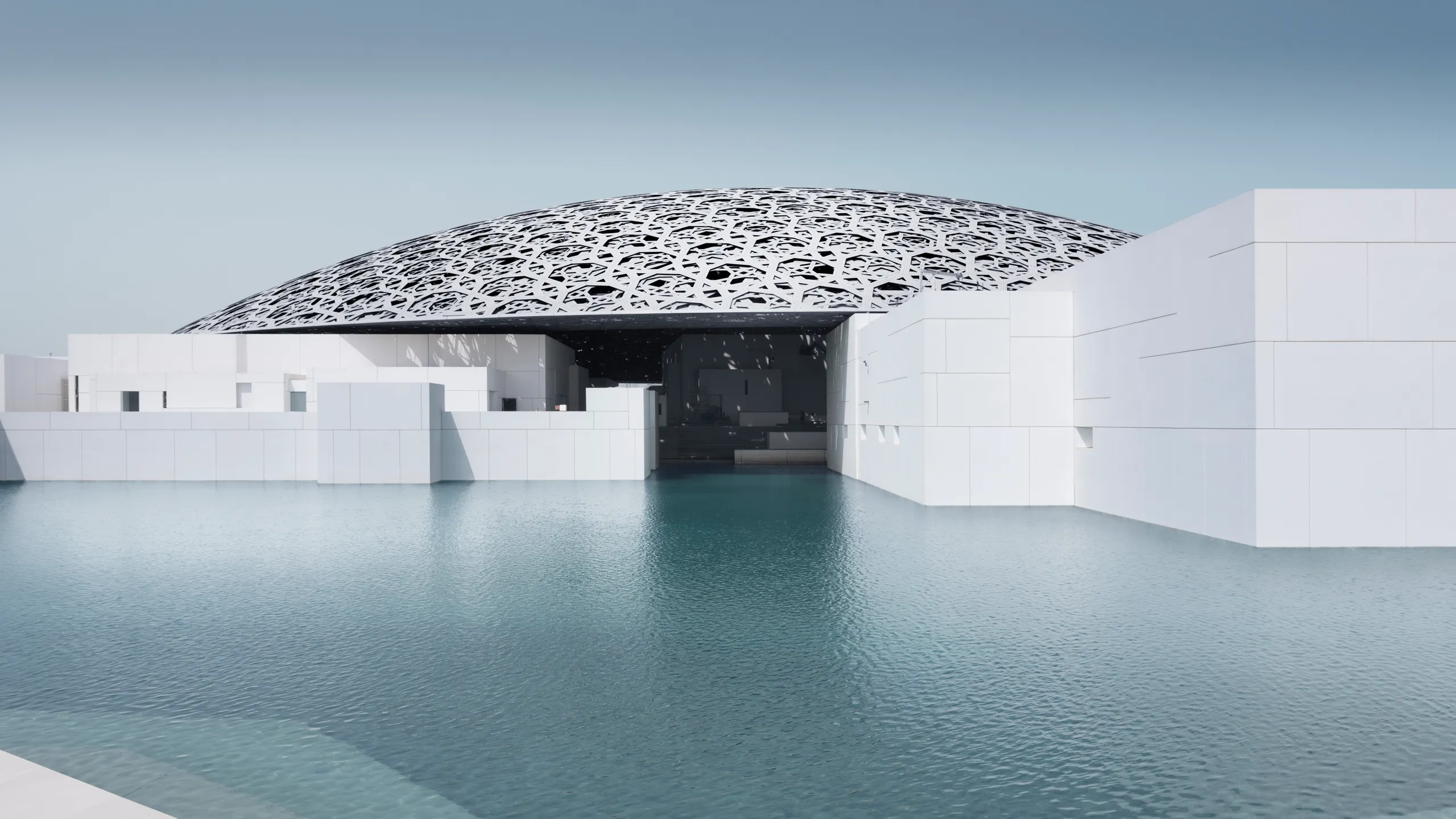
Abu Dhabi’s rise is not accidental. It reflects a strategic commitment to cultural infrastructure that has few parallels. The opening of Louvre Abu Dhabi marked a turning point, demonstrating how an institution can bridge geographies, narratives, and audiences. With the Zayed National Museum and Guggenheim Abu Dhabi progressing toward completion, the Emirate is building one of the most significant cultural districts of the twenty-first century.
This investment has created an environment where art is not only displayed but actively contextualised. Collectors and cultural partners recognise that Abu Dhabi is assembling an ecosystem capable of supporting scholarship, conservation, and public engagement at scale. This is reshaping expectations of what a cultural city can offer and the role it can play in a global collecting landscape.
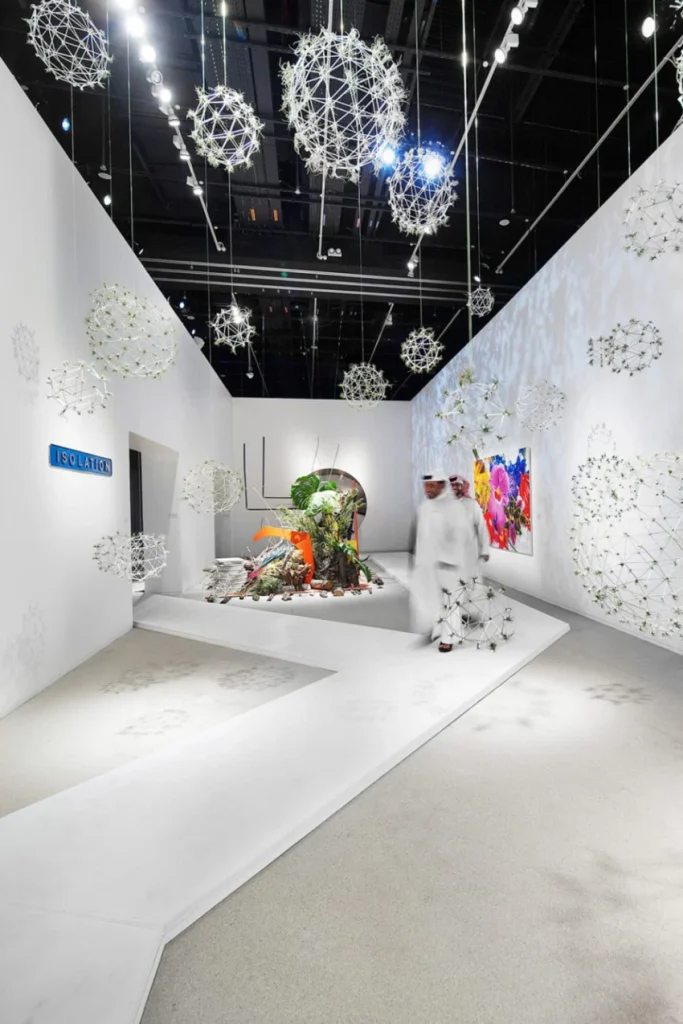
A magnet for private collectors and cultural partners
As Abu Dhabi deepens its institutional strength, private collectors are becoming increasingly active in the region. Many are drawn to the Emirate’s emphasis on long-term vision. The cultural strategy encourages thoughtful acquisitions, education, and collaboration rather than short-term speculation. This approach resonates with UHNW collectors who see their holdings as part of a wider legacy.
The city’s architecture also supports this shift. Purpose-built museums, galleries, and cultural spaces offer collectors opportunities to collaborate, loan works, or participate in programming that amplifies the significance of their collections. These dynamics create a market environment defined not by speed but by intention and influence.
New patterns of cultural patronage
Abu Dhabi is fostering a model of patronage that blends public ambition with private initiative. Families and foundations are increasingly commissioning new works, supporting artists from across the region, and working with advisors to shape collections that reflect both cultural heritage and global perspectives.
This model encourages relationships between collectors, artists, architects, and institutions. It supports commissions with conceptual and architectural depth, particularly for large-scale public artworks, private museums, and integrated pieces for residences and civic spaces. As a result, the Emirate is helping to redefine what patronage can look like in a contemporary context.
A bridge between regions and markets
Geographically and culturally, Abu Dhabi sits at a crossroads between the Gulf, South Asia, North Africa, and Europe. This position allows the Emirate to operate as a bridge for artists and collectors whose practices and tastes span multiple regions. The city is drawing an increasingly international audience, from museum directors and curators to private advisors and global collectors.
This openness is influencing collecting patterns. Many acquisitions now reflect a dialogue between regional histories and global movements, supporting artists whose work speaks across cultures. The result is a style of collecting that feels both locally grounded and internationally fluent.
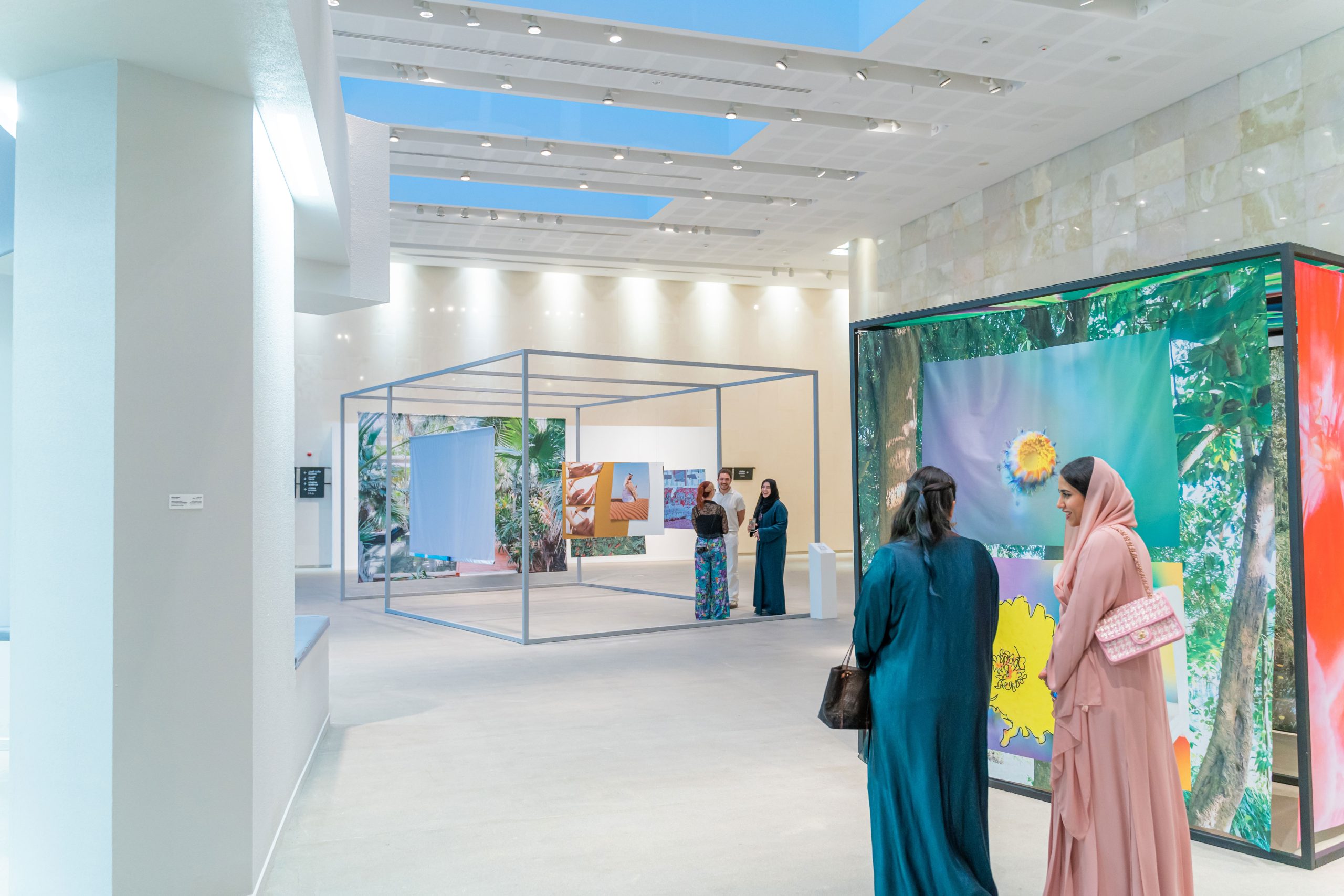
A catalyst for long-term cultural vision
Perhaps Abu Dhabi’s most significant contribution to modern collecting is its emphasis on longevity. The Emirate encourages the development of collections built patiently, with deep consideration for future generations. Many collectors view their holdings not only as personal statements but as potential gifts, cultural assets, or contributions to institutions that will define the region for decades to come.
This long view is reshaping expectations across the global market. It supports careful research, measured acquisitions, and an approach to patronage that values cultural continuity as much as innovation.
A defining force in contemporary collecting
As Abu Dhabi’s cultural ecosystem continues to expand, its influence will reach far beyond the Gulf. The Emirate is modelling a form of collecting and patronage that is intentional, collaborative, and rooted in a clear vision of cultural purpose. For collectors, advisors, and institutions, Abu Dhabi is not only a destination but a source of ideas that will guide the next era of art acquisition and cultural investment.
Shaping collections with intention
At Zurani, we guide collectors across the Gulf, Europe, and Asia in building thoughtful, enduring art collections. From private acquisitions to commissions for homes, yachts, and aircraft, we help you shape a collection that reflects your vision and enhances the spaces you live in.
Contact us at +971 58 593 5523, email contact@zurani.com, or visit www.zurani.com/.