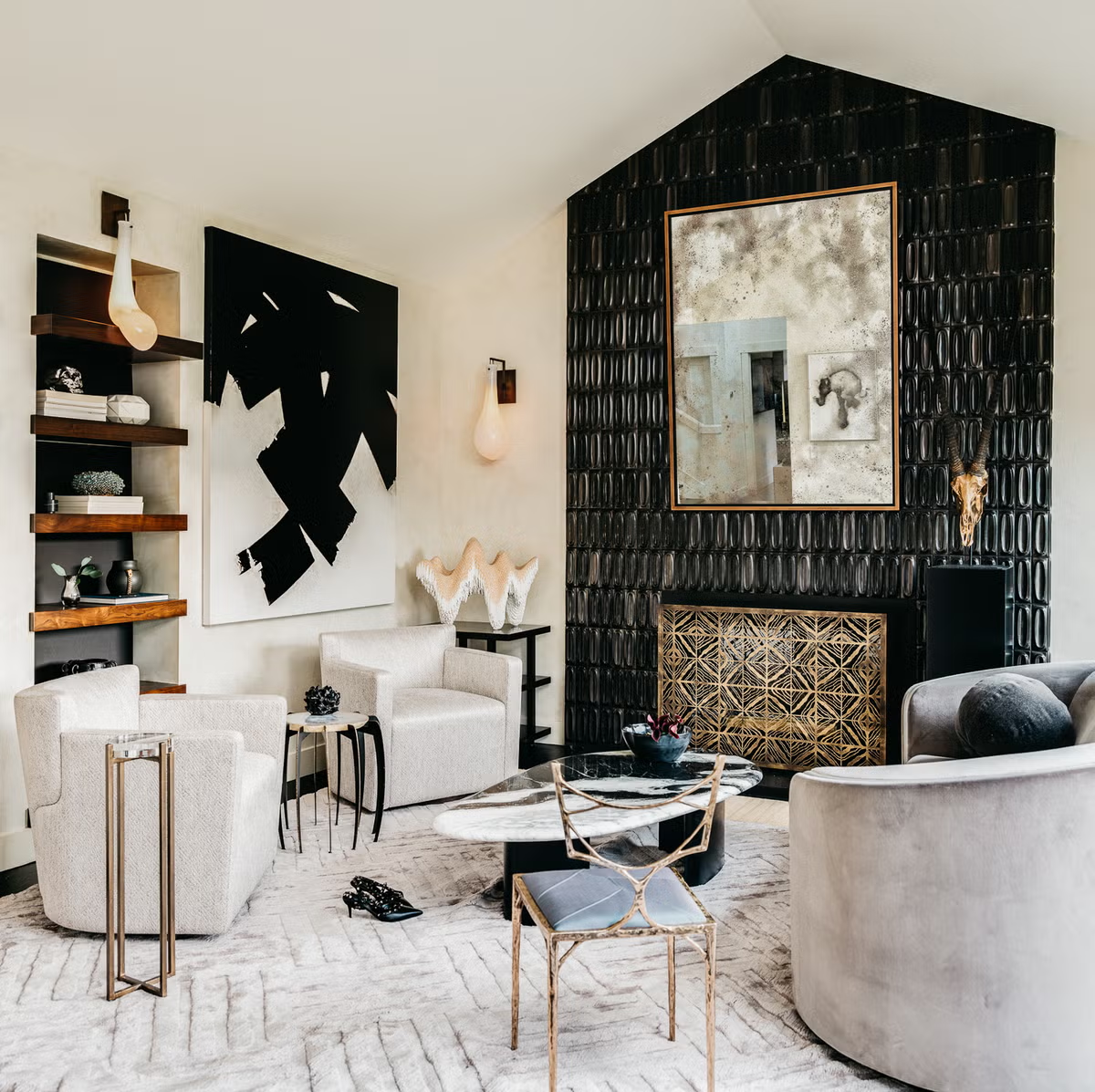
A refined approach to legacy, influence, and long-term cultural presence
For many UHNW families, an art collection is more than an expression of taste. It is a living cultural asset, shaped intentionally across generations. As wealth becomes increasingly global and diversified, families are choosing to build collections that reflect shared identity, intellectual curiosity, and long-term vision. These collections evolve over decades, moving among private homes, foundations, yachts, and aircraft, and into future generations who will inherit not only the works themselves but also the values behind them.
Moving from ownership to stewardship
Families who take a multigenerational approach to collecting tend to see themselves not as owners but as custodians. This perspective shifts decision-making. Acquisitions are made with the future in mind, and attention is given to the conditions in which works will live, the narratives they carry, and the cultural relevance they will hold years from now.
Stewardship also encourages discipline. Families seek out works with long-term significance, focusing on artists whose practices show depth, stability, and institutional engagement. By doing so, they ensure that each addition strengthens the collection rather than expands it.
Defining a shared vision
A meaningful multigenerational collection grows from a unified vision, even when multiple family members contribute to it. This vision can be thematic, geographic, conceptual, or driven by a particular medium or movement. What matters most is coherence. A clear focus gives the collection a narrative thread that future generations can understand and continue.
Many families formalise their vision, either within a family office, a digital archive, or a foundation structure. This ensures clarity and continuity, especially as younger generations become more involved.
Educating and engaging the next generation
Long-term collections thrive when younger family members are encouraged to participate early. This involvement often includes attending museum exhibitions, visiting artist studios, working with advisors, or contributing to annual acquisition discussions. These experiences build confidence and help develop personal perspectives that remain consistent with the family’s broader collecting philosophy.
Younger collectors often bring new insights, particularly around artists working across emerging geographies, digital practices, or socially engaged themes. Their perspectives can refresh the collection while keeping it aligned with the family’s core values.
Strategic acquisitions and selective commissioning
A disciplined acquisition strategy is essential for building a collection that endures. Families often work with advisors to evaluate artists not only for aesthetic resonance but also for market depth, institutional engagement, and future relevance. This ensures that each acquisition supports cultural longevity.
Commissioning plays an increasingly important role. Custom works for homes, foundations, yachts, or aircraft allow families to integrate art into spaces that hold personal meaning. These commissions create intergenerational stories, anchored in the relationship between the artist and the family.
Preservation, documentation, and succession
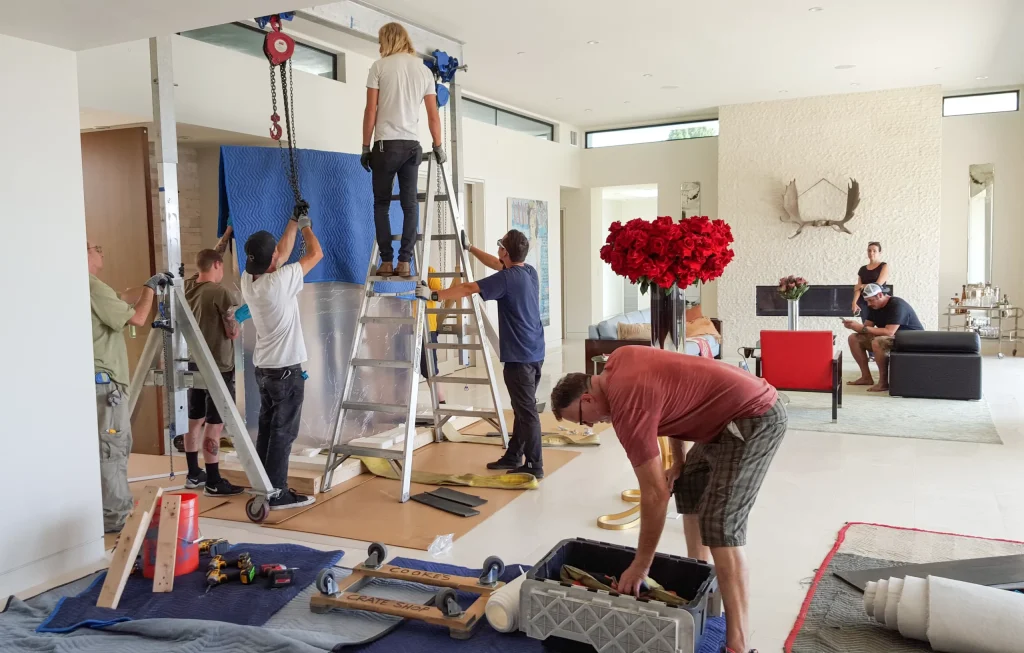
The long-term strength of a collection depends on rigorous care. This includes conservation planning, digital cataloguing, secure storage, transportation oversight, and detailed records of provenance and correspondence. Families often rely on advisors and conservators to maintain rigorous documentation standards that protect both cultural and financial value.
Succession planning ensures the collection remains unified or is intentionally divided in accordance with the family’s wishes. Some families establish private museums, long-term loans, or foundation structures that allow the collection to continue its cultural contribution well beyond individual lifetimes.
Giving back through cultural engagement
Many families extend their legacy by supporting institutions, museums, and artists whose work aligns with their values. This might include long-term loans to exhibitions, sponsorship of museum programmes, or the creation of residencies and cultural initiatives. These contributions help integrate the family’s collection into a broader cultural context, strengthening its visibility and influence.
This form of engagement turns a private collection into a public asset, enriching cultural ecosystems while preserving the family’s identity and values.
A legacy built across generations
A multigenerational collection is not built quickly. It grows through thoughtful decisions, shared perspectives, and a commitment to cultural longevity. For families who take this approach, art becomes a way to express identity, shape legacy, and contribute meaningfully to the world. The result is a collection that lives as both a private treasure and a long-term cultural gift.
Shaping collections with intention
At Zurani, we guide collectors across the Gulf, Europe, and Asia in building thoughtful, enduring art collections. From private acquisitions to commissions for homes, yachts, and aircraft, we help you shape a collection that reflects your vision and enhances the spaces you live in.
Contact us at +971 58 593 5523, email contact@zurani.com, or visit www.zurani.com/.