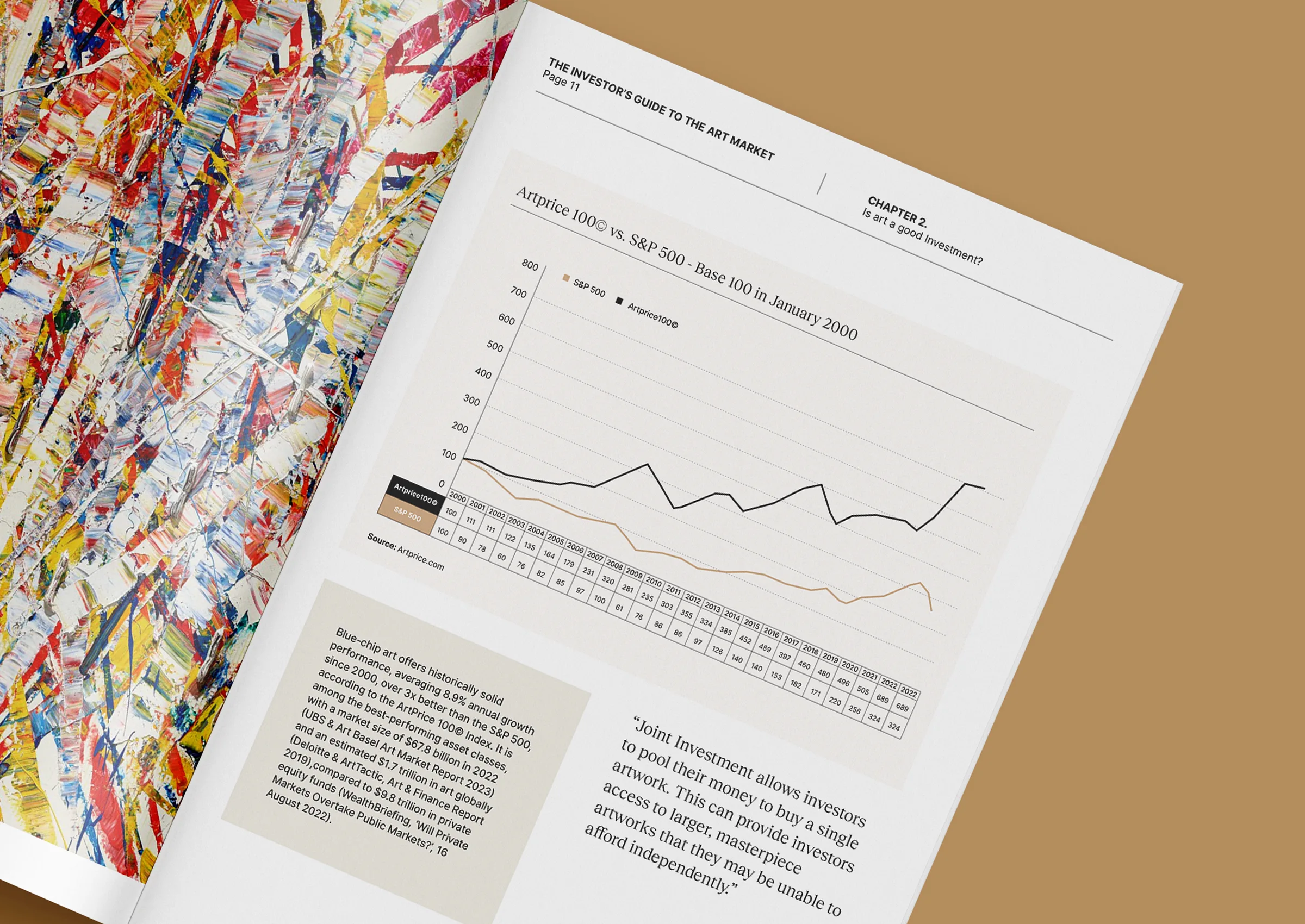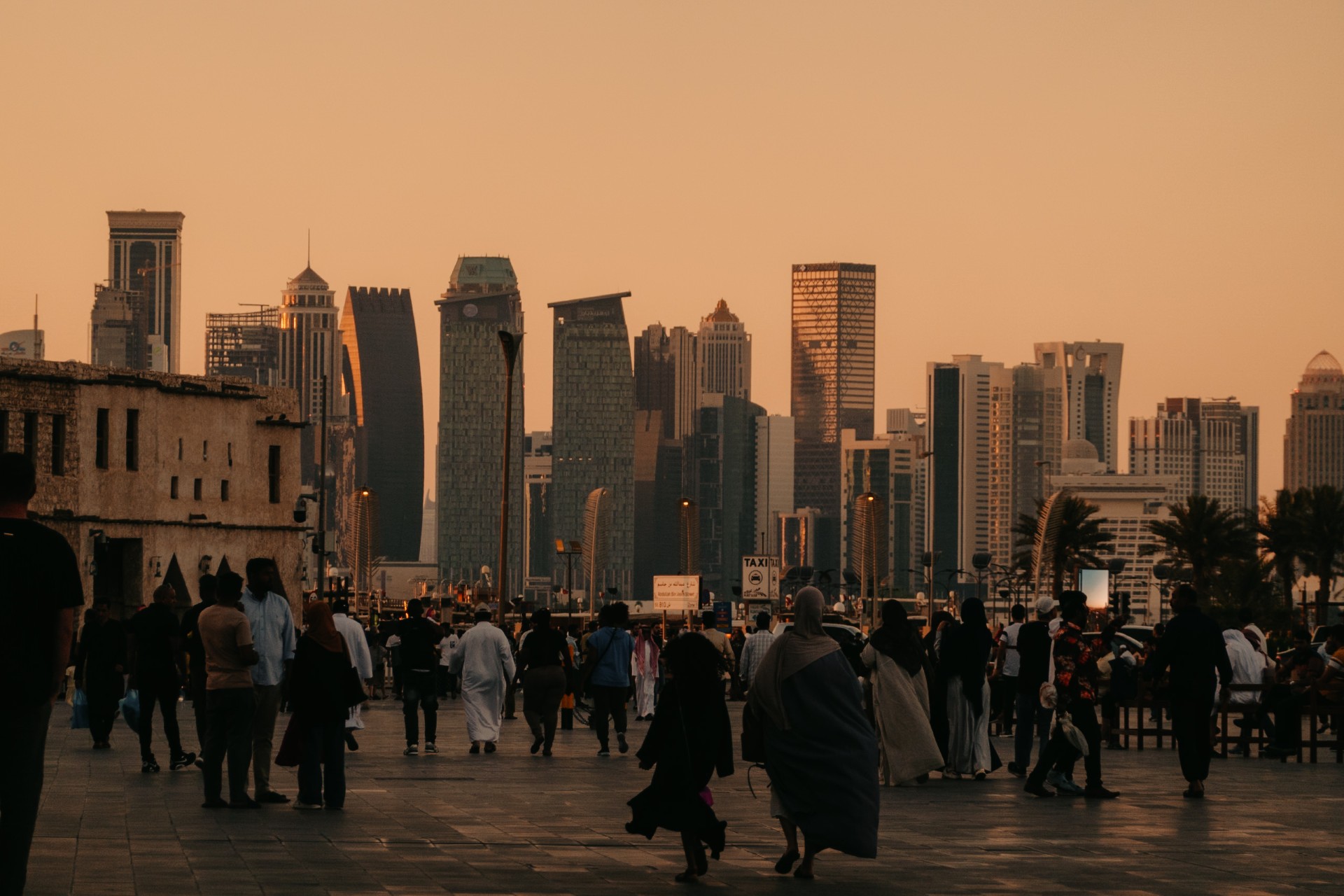
The inaugural Art Basel Doha edition will bring together 87 galleries from 31 countries, presenting 84 artist-led projects, with 16 galleries making their Art Basel debut. The fair will unfold across M7 and the Doha Design District, complemented by public installations throughout Msheireb Downtown Doha, reinforcing its integration into the city rather than a closed fairground model.
As Art Basel’s fifth global fair, alongside Basel, Miami Beach, Hong Kong, and Paris, the Doha launch marks a strategic expansion into the Middle East and North Africa, positioning Qatar as a central node in the global contemporary art market.
Departing from the traditional booth format, the fair is curated by Egyptian artist Wael Shawky, who introduces an open-format exhibition structure shaped around the theme Becoming. The approach encourages galleries to explore transformation, identity, and cultural exchange, with particular resonance in the Gulf, where historic trade routes, oral traditions, and digital networks converge.
More than half of participating artists originate from the Middle East, North Africa, and South Asia, underscoring the fair’s regional commitment while maintaining international scope. Presentations span both established and emerging voices, shown alongside leading global galleries, signalling Doha’s arrival as a serious, long-term platform rather than a one-off showcase.
A fair designed for the city, not dropped into it
A district-led format
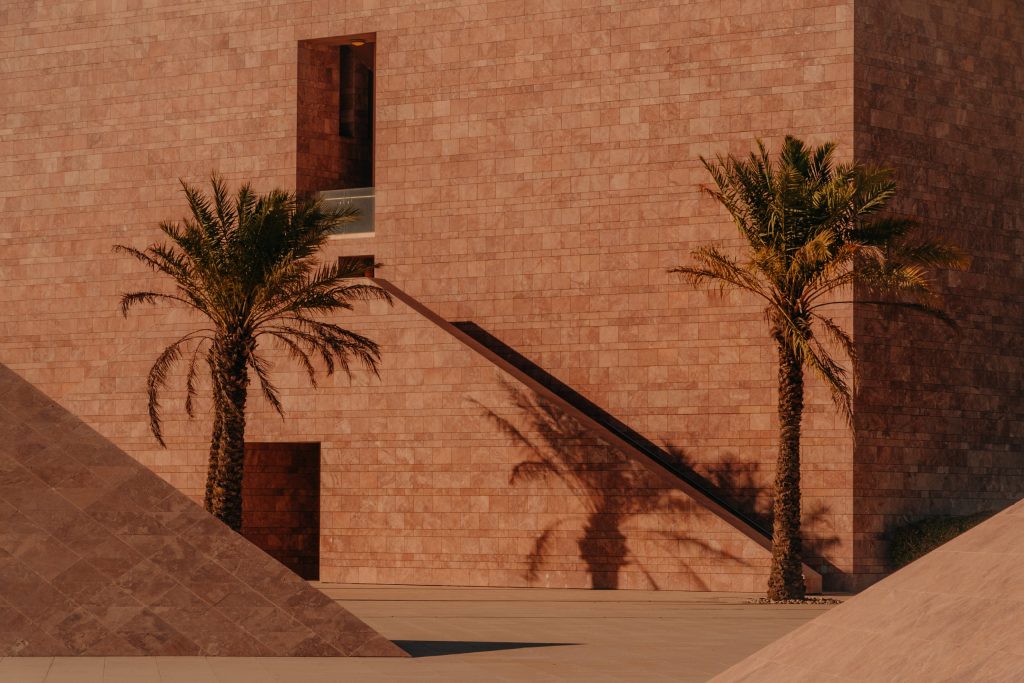
Rather than a single convention centre model, the inaugural Doha edition is anchored across two connected venues, M7 and the Doha Design District, both in Msheireb Downtown Doha. [1] That matters. Msheireb is walkable, modern, and culturally programmed, which makes the fair feel integrated into the city’s everyday rhythm rather than fenced off from it.
A curated scale with room to grow
Early editions of new global fairs tend to prioritise clarity over sprawl, and Doha is positioned as a concisely curated showcase. [1] For visitors, this can translate into a more deliberate experience: fewer stands, better sightlines, and more opportunities to engage with the work, galleries, and programming.
“Becoming” and why the theme fits the moment
Transformation as a curatorial engine
The theme “Becoming” is not a slogan. It is a lens that can hold both regional specificity and global urgency, spanning identity, material experimentation, ecology, urban change, and the politics of memory. [1]
Site-specific projects as the headline move
Doha’s debut leans into place-based projects that respond to architecture and public space, rather than limiting impact to booth walls. [4] For collectors, these works often become the conversation drivers that shape taste, signal institutional ambition, and set the tone for what the fair wants to be known for in its first years.
Why this matters for MENA artists and galleries
A platform that changes routing
When a major fair brand commits to a region, it changes the “route map” for global collectors, curators, and press. Doha becomes a February destination that can pull attention earlier in the year, before the spring auction season and the European fair circuit accelerates.
A wider definition of regional leadership
The Gulf already has established cultural gravity, but Art Basel’s arrival recalibrates MENA’s position within the modern and contemporary market narrative. The ambition is not just to host international galleries, but to spotlight artistic talent from the Middle East and North Africa while maintaining genuine global breadth. [2]
The partnership structure tells its own story
A landmark collaboration with QSI
This fair is built on a long-term partnership among Art Basel, its parent company, MCH Group, Qatar Sports Investments (QSI), and QC+. [2] The involvement of QSI signals that Doha’s cultural strategy is being treated with the same seriousness as other forms of global influence, with arts infrastructure working in tandem with broader investment and visibility goals.
Cultural influence backed by institutions
The fair also sits alongside a wider national programme of exhibitions and public art through Qatar Museums institutions, reinforcing Doha as a destination city for contemporary culture, rather than a one-week event stop. [3]
What to watch if you are collecting in 2026
Market positioning
Doha’s timing places it into a competitive part of the calendar, but it may also benefit from collectors seeking fresh narratives and new gateways into MENA. In a period when the global art market is recalibrating, new regional anchors can become disproportionately influential. [4]
Signals of taste
Watch which galleries bring museum-calibre works versus market-friendly inventory. The first edition will reveal whether the city is being treated as a long-term cultural partner or merely as another sales opportunity.
The institutional afterlife
The projects that land best in Doha are likely to echo beyond the fair through acquisitions, commissions, and future programming. For collectors, that “afterlife” is often where confidence is built.
If you are considering Doha as part of your 2026 art calendar, our team can help you plan your fair route, identify priority presentations, and align potential acquisitions with your longer-term collection strategy.
Contact us at +971 58 593 5523, email contact@zurani.com, or visit www.zurani.com.