
Doha · Qatar
Art investment in Doha
One of the region’s leading art investment advisers to family offices, investors and collectors, backed by a leadership team with over 90 years of combined experience in art, finance, private advisory, law and related markets.
Abu Dhabi · Dubai · London · Doha
Our position
Advisory for investors, collectors and family offices
Galleries, dealers and auction houses are essential market partners. Zurani helps collectors assess opportunities with their own objectives firmly in focus.
In Qatar, we work with principals to build portfolios in a country that treats art as a national heritage. They expect art to be managed with the same discipline as any other asset in their portfolio.
The market
Why Doha is a leading art investment hub
Few places buy art as seriously as Qatar, and private capital has moved with that ambition.
Tax-efficient by design
There is no personal income or capital gains tax in Qatar. The Qatar Financial Centre has become a base for family offices, and collections are increasingly structured alongside the wealth they belong to. Our family office advisory works within these structures every day.
A market built on national investment
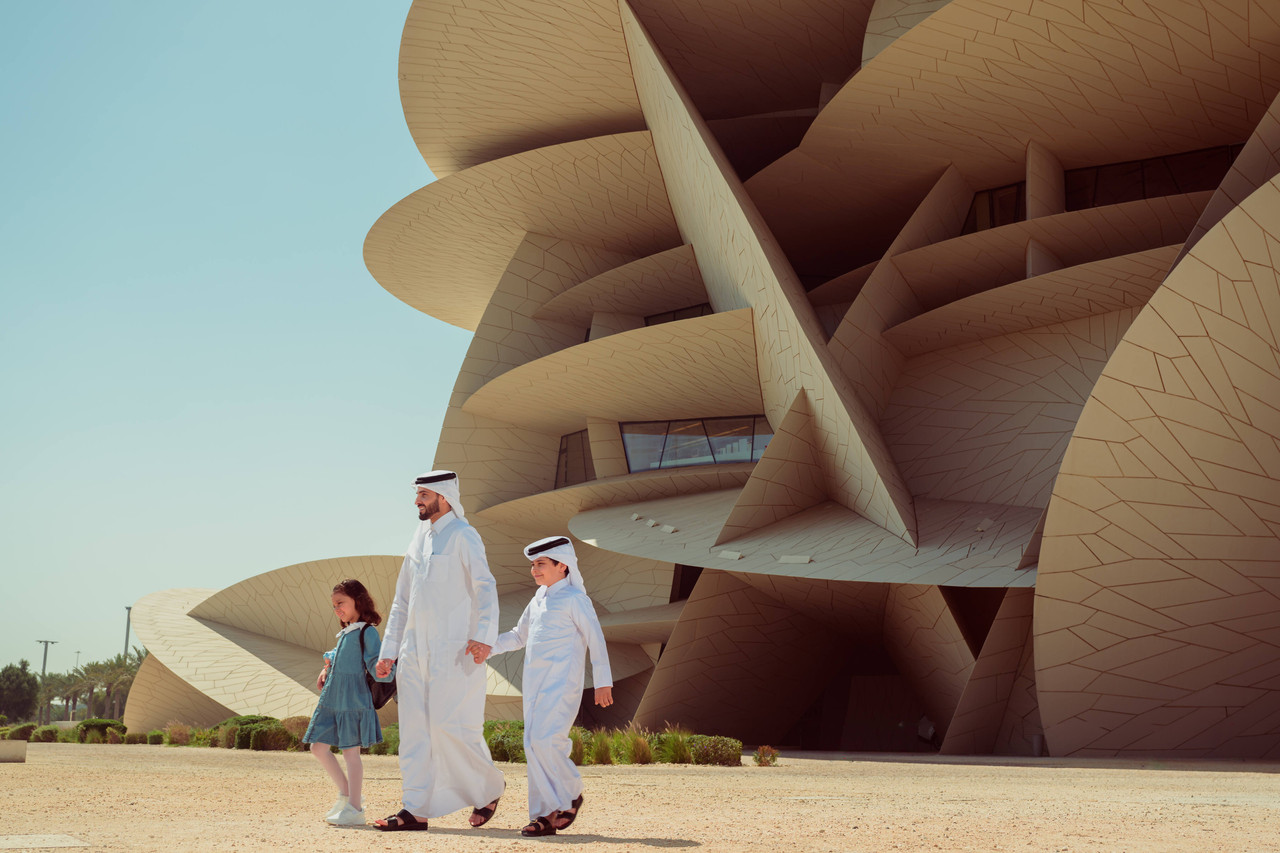
Under Qatar Museums, and the careful guidance of Sheikha Al Mayassa, the country has built the Museum of Islamic Art, Mathaf and the National Museum of Qatar, and is preparing the Art Mill, while Qatari institutions rank among the most significant acquirers in the global market. The launch of Art Basel in Doha places the city firmly on the international calendar.
Judgement aligned with your interests
For private collectors and family offices in Qatar, the opportunity is to build with the same rigour and advice aligned with the partner’s interests that institutions bring. Zurani provides the research, discipline and discreet access that a serious portfolio requires.
The asset
Art as an asset class
Fine art behaves differently from listed financial assets, but liquidity, volatility and performance vary materially by artist, segment, price level and holding period. Art is a tangible, finite asset whose value is shaped by quality, provenance, condition, cultural relevance and market demand. It also carries cultural and dynastic meaning, which is why some family offices treat art as a deliberate component of their collection and wealth strategy rather than solely as a passion purchase.
Global art market, annual sales ($bn), 2019–2025. Source: The Art Basel & UBS Art Market Report 2026, Arts Economics.
Our art investment advisory services in Doha
I
Market strategy
A data-informed strategy tailored to your objectives, risk appetite and time horizon, supported by the Zurani Intelligence Engine and decades of market experience.
II
Acquisitions and sourcing
Discreet access to museum-quality and off-market works through our global network, with full diligence on provenance, condition and pricing before you commit.
III
Collection management
Ongoing oversight of composition, performance, conservation, storage and insurance, with rebalancing as markets and goals evolve.
IV
Art-backed lending
For collectors who prefer to retain ownership, we facilitate introductions to specialist lenders to raise liquidity against a collection without selling it.
V
Estate, tax and succession
Structuring and intergenerational transfer with leading art-law specialists to ensure a collection passes to the next generation efficiently and intact.
In practice
Costs, risks and Qatar’s advantages
Fees, premiums and liquidity
Buying well means accounting for the full cost of ownership: auction premiums, advisory and transaction fees, and the fact that art is not a liquid asset. We plan to set horizons and exit routes before the first acquisition, not after.
Storage, insurance and logistics
Qatar’s free zones offer bonded, climate-controlled storage suitable for museum-quality works. We coordinate storage, condition monitoring, insurance and cross-border movement as part of managing a collection.
The Qatar tax position
There is no personal capital gains tax in Qatar, which materially changes the economics of holding art here. Customs and import treatment depend on how and where works are imported, held and moved; we work through these questions with specialist advisers as standard.
Questions
Common questions
Is art a good investment in Qatar?
Art can form part of a broader collection and wealth strategy, but it is illiquid and outcomes depend heavily on the quality of the work, the price paid, the holding period and the eventual route to sale. Doha’s cultural investment, specialist expertise and regional connections make it an important base for acquiring and managing significant works. Zurani helps collectors approach those decisions with discipline and a long-term perspective.
How much do you need to start investing in art?
Serious collecting is possible at many levels. What matters is buying quality with discipline; we build strategies around your objectives and scale, from a first significant acquisition to an institutional-grade portfolio.
Is there a capital gains tax on art in Qatar?
There is no personal capital gains tax in Qatar. Customs and import treatment depend on how works are imported, held and moved; we work through this with specialist advisers as part of any acquisition.
What returns can art investment offer?
There is no single return that applies across the art market. Outcomes vary materially by artist, quality, provenance, price level, acquisition cost, holding period and route to sale. Public indices may provide useful market context, but they do not reflect the experience of every collection or fully account for liquidity and transaction costs. Zurani focuses on the individual work, the price paid and its place within a disciplined long-term strategy.
Can you borrow against an art collection?
Yes. For collectors who prefer to retain ownership, we facilitate introductions to specialist lenders who provide liquidity against collections. Zurani is an adviser and introducer, not a lender.
Where can collectors store fine art in Doha?
Qatar’s free zones offer bonded, climate-controlled storage suitable for museum-quality works. We coordinate storage, insurance and logistics as part of collection management.
What are the costs of buying and owning art?
Beyond the hammer price: auction premiums, advisory fees, transport, storage, insurance and conservation. We set these out transparently before you commit, so the full cost of ownership is never a surprise.
Next step
Begin with a conversation
Step One:
A confidential conversation about your objectives, tastes and horizon.
Step Two:
A tailored proposal: strategy, works and structure.
Step Three:
Acquisition and long-term stewardship of the collection.
Institutional mandates require institutional rigour. We’d welcome a confidential conversation about your art strategy.
Insights
From our writing
Abu Dhabi · Dubai · London · Doha